SIM-Binding Rules: What Changes for WhatsApp and Other Messaging Apps from January 1, 2027?
Users of WhatsApp, Telegram and other messaging platforms in India may face changes in how they access their accounts from January 1, 2027, as the Department of Telecommunications (DoT) moves to enforce SIM-binding.
Written by
Anupam Pandey
Published
23 October 2026
Reading time
4 min read
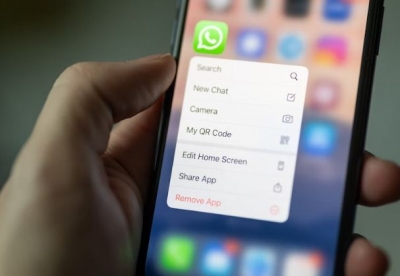
Users of WhatsApp, Telegram and other messaging platforms in India may face changes in how they access their accounts from January 1, 2027, as the Department of Telecommunications (DoT) moves to enforce SIM-binding.
Messaging platforms have been given until December 31, 2026, to comply with the requirements, which mandate a continuous link between an account and the active SIM card associated with the registered mobile number.
The DoT issued the directions in November 2025 under the Telecom Cyber Security Rules, 2024, after identifying instances in which users could continue accessing messaging services even when the SIM card associated with their registered number was no longer present in the device.
Under the framework, covered messaging applications must ensure that their services remain linked to the specific, active SIM associated with the user's registered number. Access could be disrupted if the SIM is removed or becomes inactive, depending on how the platforms implement the requirements.
Why is the government introducing SIM-binding?
The measure is intended to make it harder for cybercriminals to misuse Indian mobile numbers for phishing, impersonation, investment fraud and so-called digital arrest scams.
According to the DoT, some fraud networks have exploited the ability to register messaging accounts using Indian numbers and subsequently operate them without the associated SIM card being present in the device. Authorities believe linking accounts to active SIM cards will improve traceability and help prevent such misuse, including fraud operations conducted from outside India.
Which messaging apps are covered?
The DoT's original directions named WhatsApp, Telegram, Snapchat, Signal, Arattai, ShareChat, Josh and JioChat among the platforms required to comply.
The precise implementation and user experience may vary across services. Users should therefore avoid assuming that any of these platforms is exempt unless an official clarification confirms it.
Who could be affected?
The changes could have implications for users who operate messaging accounts on devices without the SIM card associated with the registered number. This includes people who keep their registered SIM in a secondary phone while using the messaging application on another device.
Users who remove the registered SIM after account verification, rely primarily on Wi-Fi or frequently switch devices may also need to review how their accounts are configured.
People using dual-SIM phones should ensure that the number associated with their messaging account remains active and meets the applicable requirements.
The rules concern the link between an account and its registered SIM, rather than a blanket ban on particular smartphone brands or operating systems. There is no basis to conclude that all iPhone or Android devices will stop supporting WhatsApp from January 1, 2027.
What about WhatsApp Web and desktop access?
The DoT's directions also address web-based access to messaging services. However, the government subsequently moved away from a blanket requirement for automatic logouts every six hours, adopting a risk-based approach to session termination instead.
Users should not assume that every WhatsApp Web or desktop session will automatically end after six hours under the revised framework.
Will eSIM users be affected?
The central requirement is that the registered number remain associated with an active SIM. Users with eSIM-enabled devices should follow any instructions issued by their messaging platform and mobile operator as implementation details become clearer.
The practical impact will depend on how individual platforms implement SIM verification and enforce the requirements.
With the December 31, 2026, compliance deadline approaching, users who rely on messaging accounts across multiple devices should watch for official updates from the DoT and the platforms they use.
Filed under
About the author
Anupam Pandey
Reporting and storytelling across theBusiness vertical for 4thWall Network.
More from 4thWall
Continue with Business.
Related reporting first, followed by more stories from across the 4thWall Network.

India's Fastest-Growing Economy, Making Progress in Poverty Reduction: PM Modi at Pune Metro Inauguration
3 November 2026

Dr PK Mishra Calls for AI-Powered Early Warning Systems to Strengthen Disaster Preparedness
27 October 2026

Meta Faces Scrutiny Over Suspension of Anti-Trump Protest Group’s Instagram Account Ahead of US Midterms
27 October 2026

Cipla Q2 Profit Drops 35% to ₹878 Crore as North America Sales and Margins Weaken
27 October 2026