India’s Green Hydrogen Sector Targets $180–200 Billion Investment Through 2030
India’s ambition to emerge as a major producer of green hydrogen could attract investments of $180 billion to $200 billion through 2030, as industries seek cleaner energy alternatives and the country looks to strengthen
Written by
Anupam Pandey
Published
27 October 2026
Reading time
4 min read
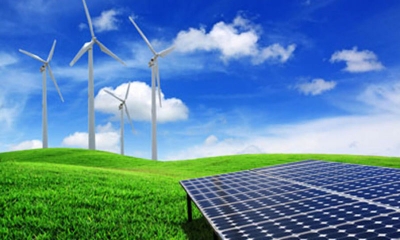
India’s ambition to emerge as a major producer of green hydrogen could attract investments of $180 billion to $200 billion through 2030, as industries seek cleaner energy alternatives and the country looks to strengthen
However, high production costs, limited commissioned capacity, infrastructure gaps and evolving international certification requirements remain major obstacles to the sector’s expansion, the report said.
Green hydrogen is increasingly being viewed as more than a tool for reducing carbon emissions. Its development could also influence India’s competitiveness in global markets for low-carbon industrial materials, particularly as international trade increasingly takes carbon emissions into account.
Steel, fertilisers and refining among key sectors
The report identified steel, fertilisers, refining and chemicals as sectors that could benefit from wider green hydrogen adoption.
The European Union’s Carbon Border Adjustment Mechanism (CBAM) adds urgency to the transition, as it can impose carbon-related costs on imports of emissions-intensive products.
According to the report, Indian steel exporters could face estimated costs of $70 to $190 per metric tonne on shipments destined for the EU. These costs could exceed $270 per metric tonne when default emissions values are applied.
Such charges could affect the competitiveness of Indian exports, strengthening the incentive for producers to reduce the carbon intensity of their manufacturing processes.
“India's green hydrogen ambitions must translate into commercially viable projects, supported by reliable offtake agreements, competitive production costs and robust infrastructure,” said Nikunj Dube, Chief Ratings Officer at CareEdge-ESG.
Production costs remain a major hurdle
Green hydrogen currently costs around ₹350–450 per kg in India, compared with approximately ₹160–200 per kg for conventional grey hydrogen, which is produced primarily using fossil fuels.
The price difference remains a significant barrier to widespread industrial adoption. According to the report, green hydrogen costs could decline to around $2.4 per kg by 2030 as renewable electricity becomes more competitive, electrolyser costs fall and production projects achieve greater scale.
Until production costs become more competitive, the pace of adoption is likely to depend partly on government policy support, carbon pricing mechanisms and assured demand from industrial consumers.
Reliable offtake agreements will be particularly important in enabling developers to secure financing and ensure that new production capacity has committed buyers.
Green ammonia offers an opportunity to reduce fossil-fuel dependence
India consumes approximately 17–19 million metric tonnes of ammonia annually, with production relying largely on natural gas.
Replacing conventionally produced ammonia with green ammonia made using renewable hydrogen could help reduce emissions and dependence on imported fossil fuels.
The fertiliser industry is therefore among the potential sources of demand for green hydrogen and its derivatives. Refining and chemical production could also provide opportunities for industrial use as supply expands and costs decline.
Global projects face a gap between announcements and delivery
The report also highlighted a gap between announced global low-emissions hydrogen projects and capacity likely to become operational by 2030.
Projects announced worldwide could deliver 27 million tonnes per annum (Mtpa) of low-emissions hydrogen by the end of the decade. However, operational projects, those under construction and those that have reached a final investment decision or have a strong likelihood of commissioning account for only slightly more than 6 Mtpa.
The difference highlights the challenges of converting project announcements into functioning production facilities.
For India, the investment opportunity will depend on whether developers can overcome cost and infrastructure constraints, secure long-term industrial demand and meet international certification requirements.
The report suggests that achieving the country’s green hydrogen ambitions will require coordinated progress across production, renewable power, transport and storage infrastructure, industrial procurement and policy support. These factors will be central to determining how much of the projected investment translates into operational capacity by 2030.
Filed under
About the author
Anupam Pandey
Reporting and storytelling across theBusiness vertical for 4thWall Network.
More from 4thWall
Continue with Business.
Related reporting first, followed by more stories from across the 4thWall Network.
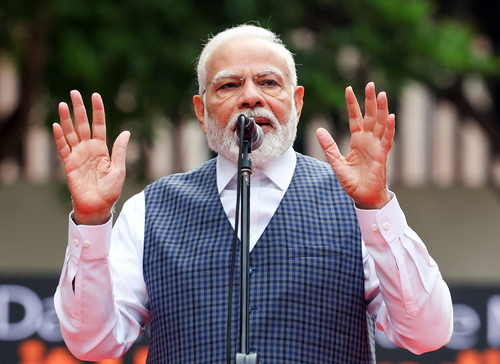
India's Fastest-Growing Economy, Making Progress in Poverty Reduction: PM Modi at Pune Metro Inauguration
3 November 2026

Dr PK Mishra Calls for AI-Powered Early Warning Systems to Strengthen Disaster Preparedness
27 October 2026
Meta Faces Scrutiny Over Suspension of Anti-Trump Protest Group’s Instagram Account Ahead of US Midterms
27 October 2026
Cipla Q2 Profit Drops 35% to ₹878 Crore as North America Sales and Margins Weaken
27 October 2026