UK Inflation Could Near 5% if US Imposes Diesel Export Ban, Economists Warn
UK inflation could approach 5 per cent if the United States were to impose a ban on diesel exports, economists have warned, as British diesel prices crossed the £2-per-litre mark for the first time.
Written by
Anupam Pandey
Published
3 October 2026
Reading time
4 min read
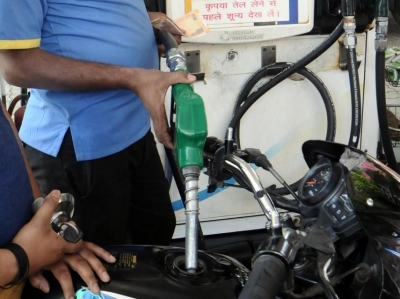
UK inflation could approach 5 per cent if the United States were to impose a ban on diesel exports, economists have warned, as British diesel prices crossed the £2-per-litre mark for the first time.
UK inflation could approach 5 per cent if the United States were to impose a ban on diesel exports, economists have warned, as British diesel prices crossed the £2-per-litre mark for the first time.
The average UK diesel price reached 200.01 pence per litre on Friday, according to the RAC, taking the cost of filling a 55-litre tank to about £110. The figure represents an increase of around £31.70 compared with the end of February.
Economists have warned that a prolonged interruption to US diesel exports could push British pump prices towards £3 a litre. Paul Dales, chief UK economist at Capital Economics, estimated that such a rise could add around one percentage point to UK inflation, potentially taking the overall rate to about 5.3 per cent.
The potential impact stems from the UK's dependence on imported diesel. Britain imports around half of the diesel it consumes, while US supplies account for a significant share of those imports. Any disruption would therefore force buyers to compete for alternative supplies in an already tight global market.
Higher diesel costs could also feed into prices across the wider economy because the fuel is heavily used by freight operators, industry and other forms of transport. Economists have warned that businesses could pass a significant portion of those additional costs on to consumers.
The immediate threat of a US export ban has, however, eased following an agreement by G7 countries to coordinate the release of up to 100 million barrels of oil and petroleum products through the International Energy Agency over four months. A substantial quantity of diesel is due to be released during the first 20 days. The G7 has also reaffirmed its commitment to avoiding energy export restrictions among member countries.
The agreement came after pressure from Washington for European countries to release emergency fuel reserves amid rapidly rising diesel prices. Markets responded with declines in European diesel and crude-oil futures following the announcement.
Despite the emergency stock release, concerns remain over the longer-term outlook for British households and businesses. Energy bills are expected to remain under pressure heading into the winter, while economists are also watching the potential impact of unusual global weather patterns on food prices.
The combination of higher fuel, energy and food costs could complicate the Bank of England's efforts to bring inflation back under control. A sustained diesel shock would increase the risk of broader price pressures spreading through supply chains, although the eventual impact would depend on the duration of any disruption and the availability of alternative supplies.
Filed under
About the author
Anupam Pandey
Reporting and storytelling across theBusiness vertical for 4thWall Network.
More from 4thWall
Continue with Business.
Related reporting first, followed by more stories from across the 4thWall Network.
UN Releases $160 Million Emergency Funding for 12 Humanitarian Crises
3 October 2026

Cuba Eases Wholesale Market Rules for Foreign Companies to Boost Investment
3 October 2026

Inclusive Growth Key to India’s Economic Resilience, Says Vice-President Radhakrishnan
3 October 2026

India Plans Large Multi-Sector Business Delegation to US Early Next Year: Goyal
3 October 2026