PM E-DRIVE Scheme Drives 26.59 Lakh EV Sales, Expands Charging Network Across India
Written by
Anupam Pandey
Published
2 October 2026
Reading time
4 min read
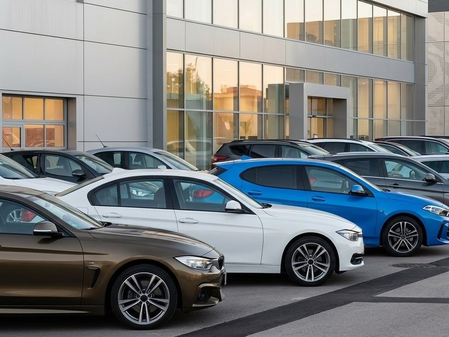
The latest from 4thWall Network.
The government's PM E-DRIVE scheme has contributed to the sale of 26.59 lakh electric vehicles as of June 2026, while also supporting the expansion of charging infrastructure and efforts to strengthen India's domestic electric vehicle manufacturing ecosystem.
Introduced in September 2024, the scheme has an overall financial allocation of Rs 11,900 crore and has been extended until March 2028. It covers multiple categories of electric vehicles and provides support for charging infrastructure, public transport and vehicle testing facilities.
According to government data, the programme has provisions to support incentives for 28.30 lakh electric vehicles. It also includes dedicated support for electric buses, public charging stations and the modernisation of testing facilities as part of India's broader push towards cleaner transportation.
A significant portion of the scheme is focused on electric public transport. Around Rs 4,391 crore has been earmarked for the deployment of 14,028 electric buses. By August 2026, allocations had been made for 14,000 buses.
Of these, around 13,800 electric buses have been allocated across seven major cities: Delhi, Bengaluru, Hyderabad, Mumbai, Ahmedabad, Pune and Surat.
The scheme has also allocated nearly Rs 2,000 crore towards establishing electric vehicle public charging stations across the country. As of September 28, 2026, Rs 851 crore had been approved for the installation of 8,147 chargers involving three oil marketing companies and 10 states.
Another Rs 780 crore has been set aside to modernise and upgrade vehicle testing agencies, which are expected to play an important role as India's electric vehicle market expands.
The PM E-DRIVE programme provides financial incentives and infrastructure support across several electric vehicle categories. These include electric two-wheelers, electric three-wheelers, registered e-rickshaws and e-carts, L5 three-wheelers, electric ambulances, electric trucks and electric buses.
Under the scheme, registered electric two-wheelers are eligible for an incentive of Rs 2,500 per kWh, subject to a maximum benefit of Rs 5,000 per vehicle. The incentive applies to vehicles with an ex-factory price of up to Rs 1.5 lakh, with Rs 2,767 crore allocated to the segment.
The government has set a target of supporting more than 45.79 lakh registered electric two-wheelers through the programme.
The L5 electric three-wheeler component, meanwhile, reached its targeted sales level and was closed on December 26, 2025. Support for electric rickshaws and e-carts under the scheme will continue until March 2028.
The figures underline the government's continued focus on accelerating electric mobility through a combination of consumer incentives, public transport deployment, charging infrastructure and investment in supporting automotive infrastructure.
Filed under
About the author
Anupam Pandey
Reporting and storytelling across theBusiness vertical for 4thWall Network.
More from 4thWall
Continue with Business.
Related reporting first, followed by more stories from across the 4thWall Network.

Global Fuel Subsidies Could Top $1 Trillion as Energy, Financial and Climate Risks Mount
2 October 2026
India’s Space Programme Expands From Satellites to Moon, Human Spaceflight and Beyond
2 October 2026
Centre Expands Agri Support to Strengthen Rural Livelihoods, Says Sitharaman
2 October 2026
India, France Discuss Trade, Investment and Economic Cooperation at G20 Meet
2 October 2026