Global Fuel Subsidies Could Top $1 Trillion as Energy, Financial and Climate Risks Mount
Governments around the world are facing growing pressure to shield households from higher energy prices, with global fossil-fuel subsidies projected to exceed $1 trillion in 2026.
Written by
Anupam Pandey
Published
2 October 2026
Reading time
4 min read
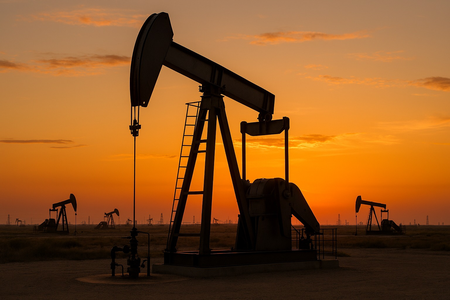
Governments around the world are facing growing pressure to shield households from higher energy prices, with global fossil-fuel subsidies projected to exceed $1 trillion in 2026.
According to a report by the United Nations Development Programme (UNDP). The agency has warned that rising borrowing costs and intensifying climate risks could make such support increasingly difficult to sustain.
The UNDP analysis found that governments have increasingly relied on measures such as fuel subsidies, price controls, tax reductions and other interventions to limit the impact of higher energy and food costs following the escalation of conflict in West Asia.
The scale of these interventions has grown sharply. Data analysed by the UNDP from the World Bank, International Monetary Fund and International Energy Agency showed that the number of countries introducing relief measures nearly doubled between April and September as the economic impact of the conflict spread.
The measures have provided significant short-term protection for households. The UNDP estimates that government support prevented around 130 million additional people from falling below the $6.85-a-day poverty threshold this year.
However, maintaining these programmes is becoming more difficult as governments contend with elevated borrowing costs, strained public finances and oil prices approaching $100 a barrel.
UNDP Chief Economist George Gray Molina said the global outlook remains uncertain because of the simultaneous pressures created by the conflict, tighter financial conditions and the changing climate situation. He described the combination as a three-pronged crisis with no clear near-term path towards resolution.
The UNDP estimates that global fossil-fuel subsidies could reach around $1.1 trillion this year under its baseline scenario, assuming an average oil price of $88.6 per barrel. If average oil prices rise to $110 per barrel, the subsidy bill could climb as high as $1.43 trillion.
The economic pressure could intensify into 2027. The report projects that the combined effects of geopolitical tensions, tighter financial conditions and climate-related disruptions could reach their peak in early 2027.
The emerging El Niño event adds another layer of risk. The climate phenomenon can produce significant shifts in weather patterns, increasing the likelihood of droughts, floods and extreme heat in different regions. The UNDP has warned that these effects could further aggravate food insecurity.
Higher energy costs are already having social and political consequences in several countries. The UNDP said energy price pressures contributed to protests and unrest in at least 10 countries during September, including Syria, Guatemala, the Philippines, France and Portugal.
The UNDP has also warned that the fiscal cost of protecting consumers from the energy shock could come at the expense of longer-term development spending. Many developing economies are already facing significant debt pressures, leaving governments with less room to finance areas such as healthcare, education and infrastructure.
The report underscores the difficult balance governments face: immediate support can protect households from sudden price increases and prevent additional people from falling into poverty, but prolonged reliance on broad energy subsidies can place further strain on public finances and delay investment in longer-term energy security and development.
Filed under
About the author
Anupam Pandey
Reporting and storytelling across theBusiness vertical for 4thWall Network.
More from 4thWall
Continue with Business.
Related reporting first, followed by more stories from across the 4thWall Network.

India’s Space Programme Expands From Satellites to Moon, Human Spaceflight and Beyond
2 October 2026

Centre Expands Agri Support to Strengthen Rural Livelihoods, Says Sitharaman
2 October 2026

India, France Discuss Trade, Investment and Economic Cooperation at G20 Meet
2 October 2026

Mid-Sized IT Firms Seen Outpacing Larger Peers in Q2 FY27: Nuvama
2 October 2026