NSO to Revise PLFS Sampling Design from January 2027, Expand Coverage of Platform Workers
The National Statistics Office (NSO) plans to modify the sampling design of the Periodic Labour Force Survey (PLFS) from January 2027 to improve coverage of digital platform workers.
Written by
Anupam Pandey
Published
23 October 2026
Reading time
4 min read
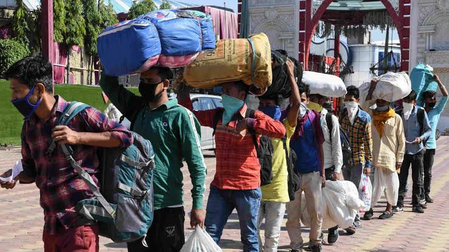
The National Statistics Office (NSO) plans to modify the sampling design of the Periodic Labour Force Survey (PLFS) from January 2027 to improve coverage of digital platform workers.
The National Statistics Office (NSO) plans to modify the sampling design of the Periodic Labour Force Survey (PLFS and update the survey's representation of India's changing population, the Ministry of Statistics and Programme Implementation (MoSPI) said on Friday.
The changes will coincide with the drawing of fresh samples for the 2027–2028 two-year period using an updated sampling frame. The ministry has also proposed revisions to the survey schedule and invited comments on the modifications.
According to MoSPI, experience from PLFS 2026 showed that the existing sampling arrangement did not adequately capture digital platform workers. To address this gap, a new Second Stage Stratum (SSS) based on digital platform work will be introduced, while the existing SSS structure and composition will be retained.
Under the revised design, there will be four SSSs in rural areas and five in urban areas, with 14 households surveyed in each selected First Stage Unit (FSU). The changes are intended to improve the coverage of platform workers and provide a more comprehensive picture of this emerging segment of the labour market.
The ministry has prepared a concept note detailing the proposed changes and invited policymakers, researchers, academic and research institutions, and members of the public to submit comments and suggestions within 15 days.
The updated sampling frame for 2027–2028 will account for changes in urbanisation, including the creation, division and merger of districts and other administrative units. It will incorporate an updated Urban Frame Survey alongside follow-up updates to the rural frame based on Census 2011.
MoSPI said the revised frame would improve the representation of the current population, particularly in urban areas, by capturing new urban settlements and changes in administrative boundaries. The updated approach is expected to improve sample coverage and strengthen the reliability and relevance of PLFS estimates.
The ministry has also revised the criteria for sample allocation and stratification based on experience from the previous two-year period. These changes are intended to improve sampling efficiency, better reflect population variations and reduce operational difficulties during sample selection.
The survey schedule will include an additional yes-or-no question to identify households in which any member has engaged in digital platform work during the specified reference period. New questions will also cover the production of goods for own use, unpaid household and caregiving activities, volunteer work and unpaid trainee work.
These additions are intended to provide a broader understanding of work undertaken by individuals beyond conventional employment, including activities that contribute to household and community well-being.
To ensure a smooth transition, the first three months of the revised survey, beginning in January 2027, will use samples from both the existing Panel 5 frame and the updated Panel 6 frame. Monthly estimates pooled across the two frames will be published in the bulletins during this period.
Relative Standard Error (RSE) estimates will not be published for these three months, the ministry said. The transitional arrangement is intended to maintain continuity in the release of monthly and quarterly labour market estimates while the updated sampling framework is introduced.
Filed under
About the author
Anupam Pandey
Reporting and storytelling across theBusiness vertical for 4thWall Network.
More from 4thWall
Continue with Business.
Related reporting first, followed by more stories from across the 4thWall Network.

Dr PK Mishra Calls for AI-Powered Early Warning Systems to Strengthen Disaster Preparedness
27 October 2026
Meta Faces Scrutiny Over Suspension of Anti-Trump Protest Group’s Instagram Account Ahead of US Midterms
27 October 2026
Cipla Q2 Profit Drops 35% to ₹878 Crore as North America Sales and Margins Weaken
27 October 2026
Paytm’s Merchant Network Expansion Eases Competition Concerns, Says Bernstein
27 October 2026