ISI Reportedly Shifts Pakistan-Based Terror Groups to Dispersed Network of Camps After Operation Sindoor
Pakistan’s Inter-Services Intelligence (ISI) is reportedly restructuring the operational networks of Jaish-e-Mohammed (JeM), Lashkar-e-Taiba (LeT) and Hizbul Mujahideen following the destruction of terror infrastructure.
Written by
Anupam Pandey
Published
7 November 2026
Reading time
4 min read
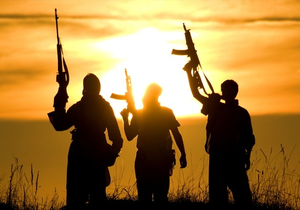
Pakistan’s Inter-Services Intelligence (ISI) is reportedly restructuring the operational networks of Jaish-e-Mohammed (JeM), Lashkar-e-Taiba (LeT) and Hizbul Mujahideen following the destruction of terror infrastructure.
Pakistan’s Inter-Services Intelligence (ISI) is reportedly restructuring the operational networks of Jaish-e-Mohammed (JeM), Lashkar-e-Taiba (LeT) and Hizbul Mujahideen following the destruction of key terror infrastructure during Operation Sindoor.
According to intelligence assessments cited by officials, the strikes on JeM’s headquarters in Bahawalpur and LeT’s major training complex at Muridke exposed the vulnerabilities of concentrating personnel and operations at large, centralised facilities.
The assessments reportedly involved the ISI and the leadership of the three terror outfits. Officials said the ability of Indian forces to strike these locations prompted a rethink of the groups’ infrastructure, with the ISI favouring multiple smaller facilities spread across Pakistan instead of relying on a handful of prominent hubs.
Rebuilt Headquarters Reportedly Have Limited Activity
JeM is said to have quickly reconstructed its Bahawalpur headquarters after Operation Sindoor. However, an official cited in the assessment said activity at the site remains minimal.
The rebuilt complex is reportedly intended largely as a symbolic structure. According to the official, leaving the headquarters in ruins could have further damaged the morale of the outfit’s cadres, making reconstruction important as a show of continuity.
A similar pattern has reportedly emerged at LeT’s Muridke facility. Although the training complex was restored after the operation, intelligence intercepts are said to indicate limited activity there. Its reconstruction was intended to signal to operatives that the organisation remained operational, the official said.
Muridke has long been associated with LeT’s activities against India. The facility has been linked to the training of terrorists involved in several major attacks, including the 2008 Mumbai attacks, the 2005 Delhi bombings and the 2000 Red Fort attack. The complex was also reportedly used by JeM cadres to prepare for the 2001 Parliament attack.
Hizbul Mujahideen Facilities Also Restored
The ISI has reportedly assisted Hizbul Mujahideen in restoring its training and transit facility, Markaz Raheel Shahid, at Koti in Pakistan-occupied Kashmir (PoK).
The Mehmoona Jaya camp in Sialkot has also reportedly been rebuilt with the assistance of the ISI.
An Intelligence Bureau official said intercepts collected during the reconstruction exercise suggest that the restored facilities are intended to serve primarily symbolic purposes. The groups have reportedly been instructed to keep activity at these locations low and avoid drawing attention to their training operations.
The official said the strategy is designed to limit the impact of any future Indian strikes. With facilities distributed across several locations, the groups could potentially continue operations even if one camp were targeted.
ISI Allegedly Takes Greater Operational Control
The reported restructuring also involves closer coordination between JeM, LeT and Hizbul Mujahideen. According to the intelligence assessment, the three groups are expected to operate in a more integrated manner, with fewer organisational divisions between them.
Their prominent leaders — Hafiz Saeed, Masood Azhar and Syed Salahuddin — are described as retaining symbolic and ideological influence, while operational control is reportedly shifting towards the ISI.
Officials cited in the assessment named ISI officers Brigadier Iqbal and Colonel Owaiz as directly overseeing the outfits’ day-to-day operations and activities.
Multiple Camps and Rotating Operatives
Another official said the command centre for the groups is reportedly located in Khyber Pakhtunkhwa, while training and operational facilities have been distributed across several parts of Pakistan.
The locations identified include Islamabad, Rawalpindi, Muzaffarabad and Rawalakot. Rather than maintaining one large facility in each location, the ISI has reportedly established four to five smaller facilities in every area, with training conducted at different levels.
The strategy also involves rotating operatives between facilities instead of keeping them stationed at a single location. Officials said the movement is intended to give cadres exposure to different environments while making it more difficult for Indian intelligence agencies to track their activities.
The reported shift marks a move away from highly visible, centralised terror infrastructure towards a dispersed network designed to preserve operational continuity and reduce the consequences of individual facilities being targeted.
Filed under
About the author
Anupam Pandey
Reporting and storytelling across theNews vertical for 4thWall Network.
More from 4thWall
Continue with News.
Related reporting first, followed by more stories from across the 4thWall Network.

Faridabad Man Shot Dead by Neighbour Over Parking Dispute; Accused Allegedly Fires 15-16 Rounds
7 November 2026

NCB, Security Forces Destroy Over 1.37 Lakh Kg of Cannabis Plants Across 458 Acres in Arunachal Pradesh
7 November 2026
One Injured in Police Encounter in Greater Noida; Two Suspects Escape
7 November 2026
Heavy rain forecast for Tamil Nadu for the next two days; eight districts on alert for Diwali
7 November 2026