India’s Strong Growth and Changing Consumer Preferences Strengthen Consumption Outlook
India’s consumption story is expected to remain resilient through the second half of FY27, supported by strong domestic demand Rising premiumisation and rapidly changing consumer preferences.
Written by
Anupam Pandey
Published
29 September 2026
Reading time
4 min read
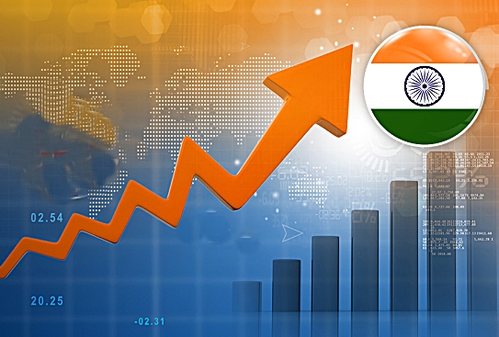
India’s consumption story is expected to remain resilient through the second half of FY27, supported by strong domestic demand Rising premiumisation and rapidly changing consumer preferences.
The report said real private final consumption expenditure grew 7.1 per cent in the first quarter of FY27, slightly below the 7.5 per cent recorded in the previous quarter. However, the composition of spending continues to evolve, with consumers increasingly opting for premium, branded and experience-driven products and services.
The consumption outlook is supported by broader economic growth. India’s GDP expanded 7.8 per cent in Q1FY27, exceeding the Reserve Bank of India’s earlier forecast of 7 per cent.
“India’s consumption story remains healthy, but the mix is increasingly shifting towards premium, branded and experience-led spending,” said Aditya Agarwala, smallcase manager.
Premiumisation has emerged as a prominent trend across multiple consumer categories. In the automobile sector, SUVs and utility vehicles now account for about 65 per cent of passenger vehicle sales, compared with 23 per cent in 2019, reflecting a significant change in consumer preferences.
The smartphone market has also seen a similar shift towards higher-priced products. Devices costing more than Rs 30,000 now account for over one-fifth of smartphone volumes and more than half of the sector’s overall value, according to the report.
Travel and retail consumption are also expanding beyond India’s largest cities. Domestic air travel has crossed 16 crore passengers, while branded apparel is gaining traction in smaller cities as organised retail networks expand and consumer aspirations spread beyond major urban centres.
Health, wellness and digital consumption are emerging as additional areas of growth. India’s nutraceutical market is projected to expand at an annual rate of around 10.5 per cent through 2030, while online beauty and fashion segments continue to record strong demand.
The shift towards alternative-fuel mobility is another indicator of changing consumption patterns. Vehicles using alternative fuels accounted for 42 per cent of passenger vehicle retail sales in August, while electric two-wheelers crossed a 10 per cent market share.
Electric two-wheeler registrations increased 65 per cent year-on-year during August, pointing to rapidly changing preferences in the personal mobility segment.
The report also noted that domestic institutional investors have helped offset some of the pressure created by foreign portfolio investor selling, providing support to Indian equity markets despite broader market volatility.
Looking ahead, the upcoming festive season is expected to provide an additional boost to consumer spending. Automobiles, organised retail, hospitality and financial services are among the sectors that could benefit from increased discretionary spending during the period.
The broader consumption trend suggests that India’s domestic demand story is not only being driven by higher spending, but also by a change in what consumers are choosing to buy, with premium products, branded offerings, experiences, wellness and digital services gaining a larger share of household expenditure.
Filed under
About the author
Anupam Pandey
Reporting and storytelling across theBusiness vertical for 4thWall Network.
More from 4thWall
Continue with Business.
Related reporting first, followed by more stories from across the 4thWall Network.
India-New Zealand FTA a Transformative Milestone for Trade Policy: TPCI
30 September 2026
Piyush Goyal Invites US Manufacturers to Explore Investment Opportunities in India
30 September 2026
Sitharaman Urges Qatar Businesses to Explore Trade and Investment Opportunities in India
30 September 2026
Sensex, Nifty Extend Losses for Second Session as Crude Prices Weigh on Sentiment
29 September 2026