India-New Zealand FTA a Transformative Milestone for Trade Policy: TPCI
The India-New Zealand free trade agreement (FTA) marks a significant shift in India's trade policy and could create new opportunities for exporters across several sectors.
Written by
Anupam Pandey
Published
30 September 2026
Reading time
4 min read
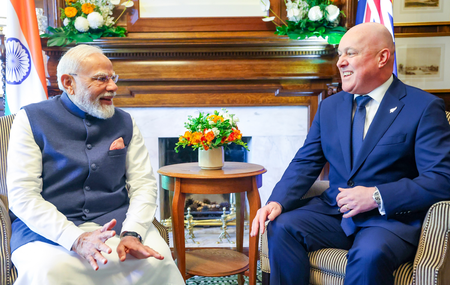
The India-New Zealand free trade agreement (FTA) marks a significant shift in India's trade policy and could create new opportunities for exporters across several sectors.
The agreement is scheduled to come into effect on October 20 and will provide Indian exporters with zero-duty access across all 8,284 tariff lines covering India's exports to New Zealand.
TPCI said the pact could help India and New Zealand double bilateral trade to $5 billion within five years, while also facilitating long-term foreign investment commitments of $20 billion into India.
“The October 20 implementation marks a transformative milestone for Indian trade policy. TPCI remains fully committed to assisting MSMEs and agri-food businesses to leverage these tariff concessions, meet technical standards, and build long-term buyer relationships in New Zealand,” said Mohit Singla, Chairman of TPCI.
The industry body said the agreement could particularly benefit sectors such as food processing, textiles, light engineering and other MSME-driven industries by improving their price competitiveness in the New Zealand market.
TPCI plans to conduct exporter awareness programmes, trade delegations and buyer-seller meetings focused on agri-food processing and MSME manufacturing clusters. It will also facilitate business linkages with the India New Zealand Business Council, QualityNZ and major retailers in New Zealand.
Under the agreement, tariffs on a range of processed food products, including spices, seasonings, confectionery, bakery products, packaged cereals, sauces, fruit juices and processed vegetables, will fall from rates of up to 5 per cent to zero when the pact takes effect.
TPCI said the removal of these tariffs could provide greater opportunities for Indian value-added agricultural products to become part of Indo-Pacific supply chains.
The agreement also includes joint initiatives covering products such as kiwifruit, apples and honey, aimed at encouraging technology transfer and improving agricultural productivity. At the same time, safeguards have been included for sensitive sectors such as dairy.
New Zealand has also initiated cooperation aimed at improving productivity in India's dairy sector.
In manufacturing and consumer goods, the elimination of tariffs ranging between 2 and 10 per cent is expected to improve the competitiveness of Indian apparel, finished leather and footwear exports. Machinery, auto components, tools and packaging products will also receive duty-free access.
The industry body said the changes could create additional opportunities for MSME export clusters across India.
The agreement also provides for mutual recognition and acceptance of inspection reports from comparable regulatory authorities, including the US FDA, European Medicines Agency and Health Canada. TPCI said this could reduce duplication in testing and help Indian generic pharmaceutical, active pharmaceutical ingredient, medical device and AYUSH companies enter the New Zealand market more efficiently.
Filed under
About the author
Anupam Pandey
Reporting and storytelling across theBusiness vertical for 4thWall Network.
More from 4thWall
Continue with Business.
Related reporting first, followed by more stories from across the 4thWall Network.
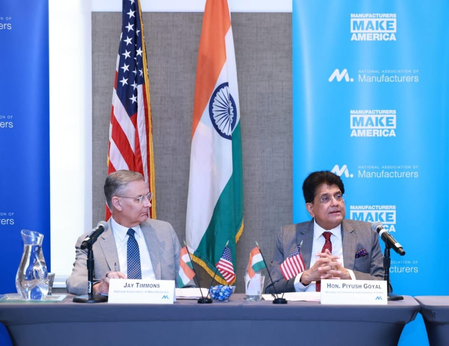
Piyush Goyal Invites US Manufacturers to Explore Investment Opportunities in India
30 September 2026

Sitharaman Urges Qatar Businesses to Explore Trade and Investment Opportunities in India
30 September 2026

Government Notifies CAFE-3 Norms for Automakers, Retains EV Incentives
30 September 2026

Reporter TV MD Anto Augustine Gets Fresh Notice to Appear Before Kerala Police
30 September 2026