India-New Zealand Trade Set to Get Boost as FTA Takes Effect on October 20
The India-New Zealand Free Trade Agreement (FTA) is set to come into force on October 20, opening up new opportunities for exporters and setting a target of doubling bilateral trade between the two countries by 2030.
Written by
Anupam Pandey
Published
29 September 2026
Reading time
4 min read
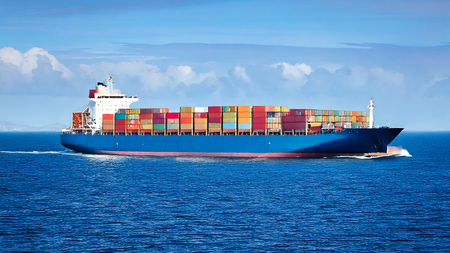
The India-New Zealand Free Trade Agreement (FTA) is set to come into force on October 20, opening up new opportunities for exporters and setting a target of doubling bilateral trade between the two countries by 2030.
Indian exporters will now receive duty-free access to New Zealand across all tariff lines, a move expected to improve the competitiveness of Indian products in areas such as textiles and garments, leather and footwear, gems and jewellery, engineering goods and processed food.
The removal of customs duties is expected to make Indian goods more competitive against products from other countries in the New Zealand market and could create additional opportunities for businesses looking to expand their exports.
The agreement also includes a major investment commitment from New Zealand. The country has committed to investments of $20 billion in India over the next 15 years, while both countries have set a goal of doubling bilateral trade by 2030.
The tariff changes will be implemented in stages once the FTA takes effect. While some duties will be eliminated immediately, others will be reduced progressively over several years. Certain agricultural products will remain subject to quotas and safeguard mechanisms.
For Indian consumers, the agreement could eventually have an impact on imported products such as kiwifruit, apples and Manuka honey. However, the pact does not provide unrestricted access to the Indian market across all categories, with sensitive sectors including dairy and several agricultural products continuing to receive protection.
India has agreed to reduce or eliminate tariffs on around 70 per cent of its tariff lines covering imports from New Zealand. Some products, including wood, wool, sheep meat and raw hides, will receive immediate duty-free access.
For selected agricultural commodities, India has opted for tariff-rate quotas rather than allowing unlimited imports at reduced duties. Under this system, specified quantities can enter the Indian market at lower or zero tariffs, while safeguards remain in place for imports beyond the agreed limits.
Kiwifruit is among the products receiving increased market access. In the first year of the agreement, up to 6,250 tonnes of New Zealand kiwifruit will be eligible for duty-free entry into India. The quota is scheduled to increase gradually, reaching 15,000 tonnes by the sixth year.
The concession will be subject to conditions including a minimum import price and seasonal restrictions.
Apple imports will also receive greater access under a quota arrangement. Within the specified quota, apples will attract a 25 per cent duty, compared with the existing 50 per cent tariff. Minimum import prices and seasonal conditions will also apply.
The quota-based approach is intended to expand market access for New Zealand agricultural products while limiting the potential impact of lower-priced imports on Indian fruit growers.
Dairy remains one of the sectors India has chosen to keep outside the tariff concessions under the agreement. Several other agricultural products have also been excluded from tariff reductions as part of measures to protect sensitive sectors and the livelihoods of small farmers.
With the FTA scheduled to take effect from October 20, businesses in both countries are expected to begin adapting to the new tariff arrangements, while the longer-term impact will depend on how quickly exporters and importers take advantage of the expanded market access.
Filed under
About the author
Anupam Pandey
Reporting and storytelling across theBusiness vertical for 4thWall Network.
More from 4thWall
Continue with Business.
Related reporting first, followed by more stories from across the 4thWall Network.
India-New Zealand FTA a Transformative Milestone for Trade Policy: TPCI
30 September 2026
Piyush Goyal Invites US Manufacturers to Explore Investment Opportunities in India
30 September 2026

Sitharaman Urges Qatar Businesses to Explore Trade and Investment Opportunities in India
30 September 2026

Sensex, Nifty Extend Losses for Second Session as Crude Prices Weigh on Sentiment
29 September 2026