Government Extends Duty-Free Sugar Import Deadline to December 31, 2026
The Centre has extended the deadline for duty-free imports of one million tonnes of raw sugar under the Tariff Rate Quota (TRQ) by two months to December 31, 2026, aiming to ensure adequate supplies.
Written by
Anupam Pandey
Published
23 October 2026
Reading time
4 min read
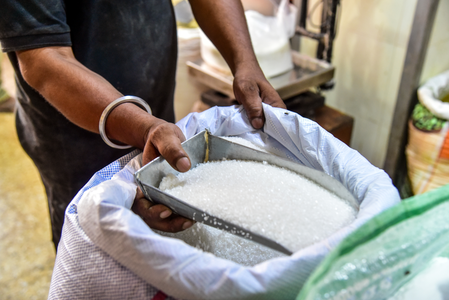
The Centre has extended the deadline for duty-free imports of one million tonnes of raw sugar under the Tariff Rate Quota (TRQ) by two months to December 31, 2026, aiming to ensure adequate supplies.
The Finance Ministry had initially permitted duty-free imports of one million tonnes of raw sugar until October 31 through a notification issued on August 20. A fresh notification has now extended the deadline by two months.
Around 2.6 lakh tonnes of raw sugar have been imported so far. Import volumes have remained relatively low following a decline in domestic sugar prices after the government announced the additional import allowance.
The extension is intended to provide flexibility to secure overseas supplies if domestic prices rise. The availability of import permissions can also moderate inflationary expectations, encouraging domestic sellers to release stocks and potentially easing prices even before imported consignments reach the country.
Government Steps In to Stabilise Sugar Prices
Alongside the duty-free import facility, the government has introduced measures, including stockholding limits for traders, to maintain sufficient domestic supplies and prevent a sharp rise in prices.
Sugar production for the 2025-26 marketing year, which runs from October to September, is now estimated at 306 lakh tonnes, down from the earlier projection of 343 lakh tonnes.
Annual domestic sugar demand is estimated at approximately 280-285 lakh tonnes.
Panel to Examine Sugarcane Farmers’ Demands
Separately, the government constituted a high-level committee earlier this month to examine concerns raised by sugarcane farmers and recommend measures to address them.
The committee will consider demands for higher remunerative returns for sugarcane growers, taking into account cultivation costs and other relevant factors. It will also review calls for a revision of the ex-mill Minimum Selling Price (MSP) of sugar, considering production costs, market realisations and the financial viability of sugar mills.
Other issues under examination include the existing procedures for measuring and reporting sugar recovery, transparent verification mechanisms and sugarcane weighing practices at mills.
The panel will also assess whether the calibration, inspection and verification systems used for weighing sugarcane are adequate.
The government’s measures come amid efforts to balance consumer interests, price stability and the financial concerns of sugar mills and sugarcane farmers.
Filed under
About the author
Anupam Pandey
Reporting and storytelling across theBusiness vertical for 4thWall Network.
More from 4thWall
Continue with Business.
Related reporting first, followed by more stories from across the 4thWall Network.
India's Fastest-Growing Economy, Making Progress in Poverty Reduction: PM Modi at Pune Metro Inauguration
3 November 2026

India Records Major Poverty Reduction Between 2011 and 2023, Says Piyush Goyal Citing World Bank Report
31 October 2026

India's Social Protection Coverage Rises to 68.4% in 2026, Reaching Over One Billion People
31 October 2026
Cipla Q2 Profit Drops 35% to ₹878 Crore as North America Sales and Margins Weaken
27 October 2026