Centre Prepares Special Plan to Accelerate Rabi Sowing in 225 Rain-Affected Districts
The Centre has drawn up contingency plans to support rabi sowing in 225 districts affected by erratic monsoon rainfall this year, amid concerns over the impact of the El Niño weather pattern on agricultural activity.
Written by
Anupam Pandey
Published
7 November 2026
Reading time
4 min read
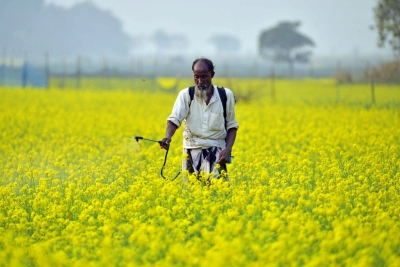
The Centre has drawn up contingency plans to support rabi sowing in 225 districts affected by erratic monsoon rainfall this year, amid concerns over the impact of the El Niño weather pattern on agricultural activity.
The plans will be supported by a dynamic dashboard being developed by the Indian Council of Agricultural Research (ICAR). The platform will integrate weekly forecasts from the India Meteorological Department (IMD), information on water bodies and other relevant data to help officials make decisions based on local conditions.
ICAR Director General M.L. Jat said the dashboard would provide information at the district level and allow authorities to regularly reassess agricultural conditions.
He explained that a district initially classified as drought-vulnerable could be removed from that category if it received sufficient rainfall in the coming days. Assessments would therefore be updated using the latest IMD forecasts and rainfall data, including projections for the subsequent 15 days.
Rabi Sowing Delayed by Untimely Rainfall
Rabi crops, including wheat, had been sown across approximately 3.8 million hectares as of October 30, marking a decline of around 46 per cent compared with the corresponding period last year.
A senior government official said the shortfall was partly due to untimely rainfall in the wheat-growing belt, which had delayed sowing. Agricultural activity is expected to gather pace following the disruption.
Jat said the proposed dashboard would cover the entire country rather than being limited to the 225 districts identified for contingency planning. It would also provide advisories under normal agricultural conditions, helping farmers and officials determine appropriate measures based on prevailing circumstances.
ICAR is also looking to integrate the platform with the government's AgriStack initiative, bringing together information from multiple agricultural data sources.
Focus on Oilseeds, Pulses and Soil Health
Separately, ICAR has constituted a task force to explore ways to expand oilseed and pulse cultivation in fallow land left after the rice harvest.
Jat said these areas offered significant opportunities for crop diversification. Farmers in regions where residual soil moisture was inadequate for wheat could consider cultivating suitable oilseed and pulse varieties instead.
He also indicated that a separate soil health policy was expected to be introduced within the next two to four months. The proposed policy aims to help farmers plan fertiliser application more efficiently by identifying nutrient deficiencies in their soil.
Filed under
About the author
Anupam Pandey
Reporting and storytelling across theNews vertical for 4thWall Network.
More from 4thWall
Continue with News.
Related reporting first, followed by more stories from across the 4thWall Network.

Faridabad Man Shot Dead by Neighbour Over Parking Dispute; Accused Allegedly Fires 15-16 Rounds
7 November 2026
NCB, Security Forces Destroy Over 1.37 Lakh Kg of Cannabis Plants Across 458 Acres in Arunachal Pradesh
7 November 2026
One Injured in Police Encounter in Greater Noida; Two Suspects Escape
7 November 2026

Heavy rain forecast for Tamil Nadu for the next two days; eight districts on alert for Diwali
7 November 2026