Tamil Nadu Dams at 34% Capacity as Drinking Water Concerns Grow
Water levels in Tamil Nadu's 90 major dams have dropped to around 34 percent of their combined capacity, raising concerns of drinking water supplies and irrigation as several districts continue to experience hot weather.
Written by
Anupam Pandey
Published
1 October 2026
Reading time
4 min read
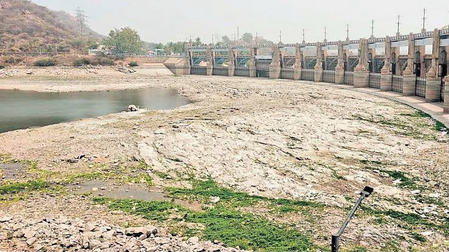
Water levels in Tamil Nadu's 90 major dams have dropped to around 34 percent of their combined capacity, raising concerns of drinking water supplies and irrigation as several districts continue to experience hot weather.
The reservoirs, maintained by the Water Resources Department, have a combined capacity of 224 thousand million cubic feet (tmcft), but currently hold only around 76.4 tmcft of water.
The dams, constructed across various rivers, are crucial for irrigation, drinking water supply and power generation. Several reservoirs are located in the Western Ghats and also serve as important water sources for wildlife and birds.
Of the 90 reservoirs, 63 currently have storage below 25 per cent of their capacity. In some locations, water levels have fallen so low that mud and silt accumulated at the bottom of the reservoirs are visible.
Storage in 17 dams is estimated to be around 17 per cent, further highlighting the extent of depletion across the state's water resources.
Officials from the Water Resources Department and drinking water agencies are now looking towards the northeast monsoon to replenish reservoirs and help meet water requirements in the coming months.
The situation has also been aggravated by the accumulation of sediment and waste in reservoirs that have not undergone adequate desilting. The deposits reduce the effective storage capacity of the dams, potentially limiting the volume of water they can retain even when substantial rainfall occurs.
Despite the end of summer, several parts of Tamil Nadu continue to experience intense heat. The prolonged hot conditions have added to the pressure on already depleted water resources.
Low reservoir levels could affect both drinking water supplies and agriculture in districts dependent on dam releases. If rainfall remains inadequate, authorities may face increasing difficulty in meeting the requirements of households and farms.
The current situation has also underscored the importance of maintaining reservoirs and removing accumulated silt to maximise their storage capacity ahead of periods of heavy rainfall.
The northeast monsoon is expected to play a crucial role in improving water availability. However, the extent of recovery will depend on the amount of rainfall received by the reservoirs and their catchment areas, as well as the ability of the dams to capture and retain the incoming water.
For now, water authorities remain dependent on a significant improvement in rainfall to replenish depleted reservoirs and ease concerns over water availability for drinking, irrigation and other needs across Tamil Nadu.
Filed under
About the author
Anupam Pandey
Reporting and storytelling across theNews vertical for 4thWall Network.
More from 4thWall
Continue with News.
Related reporting first, followed by more stories from across the 4thWall Network.

Viral Gazette Declaring Every Saturday a Holiday for PSU Banks Is Fake: PIB Fact Check
1 October 2026

Calm, Disciplined and Humble: Mumbai Neighbours Recall Pilot Smit Machchhar’s Heroic Act
1 October 2026

Tamil Nadu: Heavy Rain Forecast in Nilgiris, Coimbatore and Erode
1 October 2026

Soujanya Case: Karnataka SIT Begins Fresh Probe in Mangaluru
1 October 2026