Pakistan’s Pharmaceutical Exports Fall Over 30% as Afghan Border Closure Disrupts Trade
Pakistan’s pharmaceutical exports declined sharply in FY26 and continued to contract in the first quarter of FY27, with industry representatives blaming prolonged trade disruptions with Afghanistan for the downturn.
Written by
Anupam Pandey
Published
23 October 2026
Reading time
4 min read
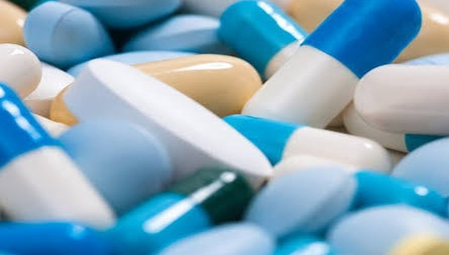
Pakistan’s pharmaceutical exports declined sharply in FY26 and continued to contract in the first quarter of FY27, with industry representatives blaming prolonged trade disruptions with Afghanistan for the downturn.
Exports of pharmaceutical products fell 30.26 per cent in FY26 to $319.012 million from $457.456 million in FY25, according to Pakistan Bureau of Statistics data cited by Pakistani newspaper The News. The decline amounted to $138.444 million.
Export volumes also contracted 26.14 per cent, falling from 112,517 metric tonnes in FY25 to 83,104 tonnes in FY26, a reduction of 29,413 tonnes.
The downturn continued in July–September FY27, when pharmaceutical export earnings dropped 25.53 per cent year-on-year to $73.301 million from $98.428 million in the corresponding quarter of the previous financial year.
The figures exclude exports of surgical goods and medical instruments, the report said.
Afghanistan has historically been a major market for Pakistan’s pharmaceutical industry. Figures cited by other Pakistani publications put pharmaceutical exports to Afghanistan at $155.68 million in FY25, accounting for approximately 34.1 per cent of Pakistan’s total pharmaceutical exports that year.
Tauqeer ul Haq, a former chairperson of the Pakistan Pharmaceutical Manufacturers Association (PPMA), told The News that the suspension of trade with Afghanistan had inflicted significant losses on pharmaceutical manufacturers and the national exchequer.
He also said Afghan patients were being affected by the disruption and could face greater reliance on more expensive medicines.
According to the report, the PPMA had raised the issue with the Pakistani government. Federal Planning Minister Ahsan Iqbal reportedly promised to take it up with the relevant authorities and explore ways to resume pharmaceutical exports to Afghanistan. Haq, however, expressed concern over what he described as a lack of follow-up.
Trade ties between the neighbouring countries have been affected by longstanding political and security tensions. Relations deteriorated further after the Taliban returned to power in Afghanistan in 2021, with Pakistan repeatedly accusing Kabul of allowing militant groups, including the Tehreek-e-Taliban Pakistan (TTP), to operate from Afghan territory. The Afghan authorities have rejected allegations that they shelter militants responsible for attacks inside Pakistan.
The border closure following cross-border violence in October 2025 has disrupted commercial activity, restricted movement and increased economic pressure on communities and businesses on both sides.
The interruption has affected the movement of goods, raised costs and complicated access to medical supplies. It has also prompted businesses to explore alternative regional trade routes.
Afghanistan's pharmaceutical supply chain has traditionally depended heavily on Pakistani products, leaving it vulnerable to political disputes and border disruptions. Reports from Kabul indicate that the country has increasingly sought alternative suppliers, reflecting efforts to diversify its sources of medicines.
The sustained decline in Pakistan’s pharmaceutical exports highlights the economic consequences of the prolonged disruption, while the search for alternative suppliers could gradually reshape Afghanistan’s regional medicine trade.
Filed under
About the author
Anupam Pandey
Reporting and storytelling across theBusiness vertical for 4thWall Network.
More from 4thWall
Continue with Business.
Related reporting first, followed by more stories from across the 4thWall Network.

Meta Faces Scrutiny Over Suspension of Anti-Trump Protest Group’s Instagram Account Ahead of US Midterms
27 October 2026

Cipla Q2 Profit Drops 35% to ₹878 Crore as North America Sales and Margins Weaken
27 October 2026

Startup India Backs Over 2.5 Lakh Startups, Generates More Than 25.42 Lakh Jobs: Government
27 October 2026
No US Pressure on India to Cut Russian Oil Imports, Says Hardeep Puri
27 October 2026