Mizoram Records Over 2,000 Drug-Related Deaths Since 1984, Officials Say
Around 50 people die every year in Mizoram due to drug-related causes, with the state recording 2,051 such deaths between 1984 and October 7, 2026, officials said on Friday.
Written by
Anupam Pandey
Published
16 October 2026
Reading time
4 min read
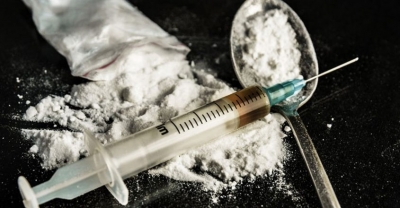
Around 50 people die every year in Mizoram due to drug-related causes, with the state recording 2,051 such deaths between 1984 and October 7, 2026, officials said on Friday.
Peter Zohmingthanga, Joint Commissioner of the Mizoram Excise and Narcotics Department, shared the figures while addressing a drug abuse prevention awareness campaign organised in collaboration with the Mizoram Building and Other Construction Workers Welfare Board.
Of the 2,051 deaths recorded during the period, 1,799 were males, and 252 were females, he said.
Zohmingthanga also referred to the *Survey Report on Drugs and Children in Mizoram 2022*, which found that children aged 10 to 14, including middle school students, had begun using cannabis. He stressed the need for early intervention and greater awareness among children and adolescents about the harmful effects of drug use.
Highlighting efforts by the state government and non-governmental organisations to tackle substance abuse, he outlined steps students could take to avoid drugs and contribute to building a drug-free society.
Mizoram Excise and Narcotics Department Minister Lalnghinglova Hmar said high demand for and consumption of drugs were among the major factors contributing to the problem.
He observed that although Assam had previously served as a drug-trafficking route, its people had generally not been inclined towards drug consumption. Hmar urged students of Government Champhai College to stay away from drugs and lead healthy lives free from addiction.
North Eastern Council Secretary Satinder Kumar Bhalla praised the Mizo tradition of *tlawmngaihna*, which emphasises volunteerism and selfless service to the community.
Drawing attention to the serious drug-related challenges faced by his home state of Punjab, Bhalla said that achieving India's ambition of becoming a developed nation by 2047 would require people to abandon drugs and other harmful practices and channel their abilities towards national development.
He also encouraged students to develop skills that would help them secure livelihoods and create employment opportunities for others, contributing to economic growth.
Mizoram and Manipur have emerged as important drug-trafficking corridors in the Northeast because of their long, porous international borders with Myanmar and their proximity to the Golden Triangle, a major illicit narcotics-producing region comprising parts of Myanmar, Laos and Thailand.
The region's location has created persistent challenges for security forces and enforcement agencies seeking to curb cross-border drug smuggling.
Six districts in Mizoram and five in Manipur share a combined 910-km international border with Myanmar, much of which remains unfenced, leaving the region vulnerable to the smuggling of narcotics and other contraband.
Trafficked goods include methamphetamine tablets, heroin, foreign-made cigarettes, fertilisers and other prohibited products.
Filed under
About the author
Anupam Pandey
Reporting and storytelling across theNews vertical for 4thWall Network.
More from 4thWall
Continue with News.
Related reporting first, followed by more stories from across the 4thWall Network.
JKAS Officers Announce One-Day Strike Over Alleged Verbal Abuse of Woman Officer by IAS Official
16 October 2026
ED Searches 29 Premises Across Six Cities in Share Investment Fraud Probe
16 October 2026

Five, Including Child, Killed as Car Crashes Into Tree in Uttar Pradesh’s Bulandshahr
16 October 2026

Supreme Court Halts Trial in Twisha Sharma Death Case, Seeks Responses on Transfer Plea
16 October 2026