India Could Emerge as Global Robotic Surgery Leader by 2030: Nadda
India well positioned to become a major global centre for robotic surgery as advances in artificial intelligence, digital healthcare and surgical technology continue to reshape medical treatment, Union Health Minister
Written by
Anupam Pandey
Published
3 October 2026
Reading time
4 min read
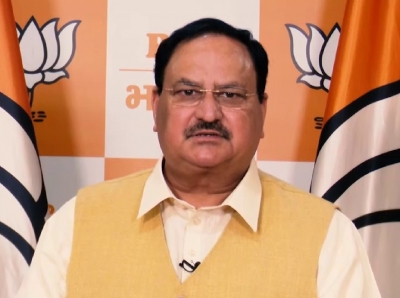
India well positioned to become a major global centre for robotic surgery as advances in artificial intelligence, digital healthcare and surgical technology continue to reshape medical treatment, Union Health Minister
Addressing an international conference on robotic surgery organised by the Society of Robotic Surgery through a virtual address, Nadda said India's growing technological capabilities and expanding surgical robotics ecosystem could enable the country to develop and lead in advanced medical technologies.
“India stands at an exciting juncture in healthcare innovation,” Nadda said, highlighting the country's progress in technology, artificial intelligence, digital health and robotic-assisted surgery.
The conference showcased the rapid expansion of robotic surgery in India, with Delhi-NCR emerging as the country's largest hub for robotic surgical systems and procedures. Data presented at the event showed that robotic-assisted surgeries in the region increased from 2,257 in 2021 to 10,937 in 2025, representing almost a five-fold rise.
Across India, the number of robotic-assisted procedures increased from 8,912 in 2021 to 44,857 in 2025, reflecting the growing adoption of robotic systems in hospitals and surgical centres.
Delhi-NCR currently has robotic systems installed at around 39 hospitals, while 11 of these facilities operate more than one system. The expansion has accompanied wider use of robotic technology across a range of surgical specialities.
General surgery for benign conditions accounted for around 33 per cent of robotic procedures in Delhi-NCR in 2025, while urological procedures represented 30.2 per cent. Gynaecological procedures contributed another 22.1 per cent, followed by general surgery for malignant conditions at about 10 per cent.
Robotic technology is also being used in other areas, including head and neck, thoracic and cardiac surgery, as hospitals expand their use beyond the specialities where robotic systems were initially concentrated.
Dr Anup Kumar, Organising Chairman for Urology at the conference and head of the Department of Urology, Robotic and Renal Transplant at Safdarjung Hospital, said India could potentially emerge as a global leader in robotic surgery by 2030 and challenge countries that currently have more established robotic-surgery ecosystems.
Dr Vivek Bindal, Organising Chairman of SRS India and Principal Director and Head of the Department of Minimal Access, Bariatric and Robotic Surgery at Max Hospital, attributed Delhi's rapid growth to the combined contribution of experienced surgeons, high-volume hospitals and multidisciplinary medical teams.
The expansion of robotic surgery comes as Indian hospitals increasingly adopt technology-assisted procedures for complex operations, while healthcare institutions and medical professionals continue to build expertise in the use of robotic systems.
Nadda said the country's combination of technological capabilities, medical expertise and an expanding healthcare innovation ecosystem provides an opportunity for India to play a larger role in the future development of robotic surgery.
Filed under
About the author
Anupam Pandey
Reporting and storytelling across theNews vertical for 4thWall Network.
More from 4thWall
Continue with News.
Related reporting first, followed by more stories from across the 4thWall Network.

Anto Augustine's Mother-in-Law Seeks Anticipatory Bail in Wayanad Liquor Case
3 October 2026

Three Family Members Killed, Girl Injured After Trailer Hits Motorcycle in MP's Dhar
3 October 2026

Pune Airport: Cannabis Extract Worth Rs 1 Crore Found Hidden in Cosmetic Jars
3 October 2026

Bengal: 13-Year-Old Girl Found Dead at Home, Family Alleges Sexual Assault and Blackmail
3 October 2026