AICC Intervention in Focus as Congress Differences Surface Again in Kerala
Congress have brought the party’s central leadership into focus, with UDF convener Adoor Prakash and Chief Minister V.D. Satheesan at the centre of a dispute over consultation on key government and alliance decisions.
Written by
Anupam pandey
Published
3 October 2026
Reading time
4 min read
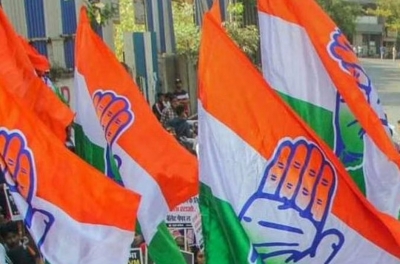
Congress have brought the party’s central leadership into focus, with UDF convener Adoor Prakash and Chief Minister V.D. Satheesan at the centre of a dispute over consultation on key government and alliance decisions.
Prakash has publicly questioned the manner in which important decisions have been taken since the Congress-led UDF government came to power, arguing that the UDF convener should have been consulted on matters concerning the alliance. He has said the criticism was his own and that he intends to place his concerns before the All India Congress Committee (AICC).
The immediate trigger was the government's recent appointment of IUML leader M.K. Muneer as chairman of the Administrative Reforms Commission and Forward Bloc leader G. Devarajan as the Kerala government's special representative in New Delhi, both with Cabinet rank. Prakash has maintained that he has no objection to the appointments themselves, but questioned why he was not consulted in his capacity as UDF convener.
Prakash has also raised concerns about the frequency of UDF meetings, saying the front had met only once at Cliff House since the new government assumed office. He has argued that greater consultation is necessary within the coalition and said he would communicate his concerns to the AICC, which appointed him as UDF convener.
The developments have triggered speculation within the Congress about the extent of support for Prakash's position. Some reports have questioned whether his public criticism could have had backing from sections of the party's higher leadership, including AICC general secretary in charge of Kerala Deepa Dasmunsi. However, such suggestions remain a matter of internal speculation rather than an established fact. Prakash himself has said he acted independently.
The controversy has also revived discussion about factional differences within the Kerala Congress. The party has historically seen competing leadership groups influence its internal functioning, and the latest dispute has emerged only months after the UDF returned to power.
The organisational situation is another issue being viewed through the current dispute. Questions have been raised over the delay in completing changes to party and allied organisational positions following the formation of the new government. The Congress has yet to settle some organisational matters, adding another layer to the tensions surrounding coordination between the party and government.
AICC general secretary K.C. Venugopal has indicated that the central leadership has mechanisms for addressing internal disagreements and will take the lead in resolving the matter. He has also expressed opposition to such differences being aired publicly.
Meanwhile, sections of the Kerala Congress have responded differently to Prakash's criticism. Mahila Congress state president Jebi Mather has publicly supported his concerns over consultation, while other leaders have called for greater coordination without directly escalating the dispute.
The issue now moves towards the AICC, with Prakash expected to formally communicate his concerns to the central leadership. The response from the high command could determine how the dispute is handled within the state unit and whether the disagreement remains confined to questions of consultation or develops into a broader organisational confrontation.
Filed under
About the author
Anupam pandey
Reporting and storytelling across thePolitics vertical for 4thWall Network.
More from 4thWall
Continue with Politics.
Related reporting first, followed by more stories from across the 4thWall Network.
Kerala BJP Seeks Governor's Intervention Over Minister's Role in Shah Protest
3 October 2026
Kumaraswamy Questions Shivakumar Family Land Deals Near Bengaluru’s NICE Road
3 October 2026
IIT-Bombay Student Death: Maharashtra Congress Leaders Meet Sahil Wakode’s Family
3 October 2026
USINDOPACOM Chief Admiral Paparo Begins India Visit to Advance Defence Cooperation
3 October 2026