US Bipartisan Congressional Delegation Meets Dalai Lama in Dharamsala
A bipartisan US Congressional delegation led by House Foreign Affairs Committee Chairman Brian Mast met Tibetan spiritual leader the Dalai Lama at his residence in Dharamsala on Wednesday.
Written by
Anupam Pandey
Published
30 September 2026
Reading time
4 min read
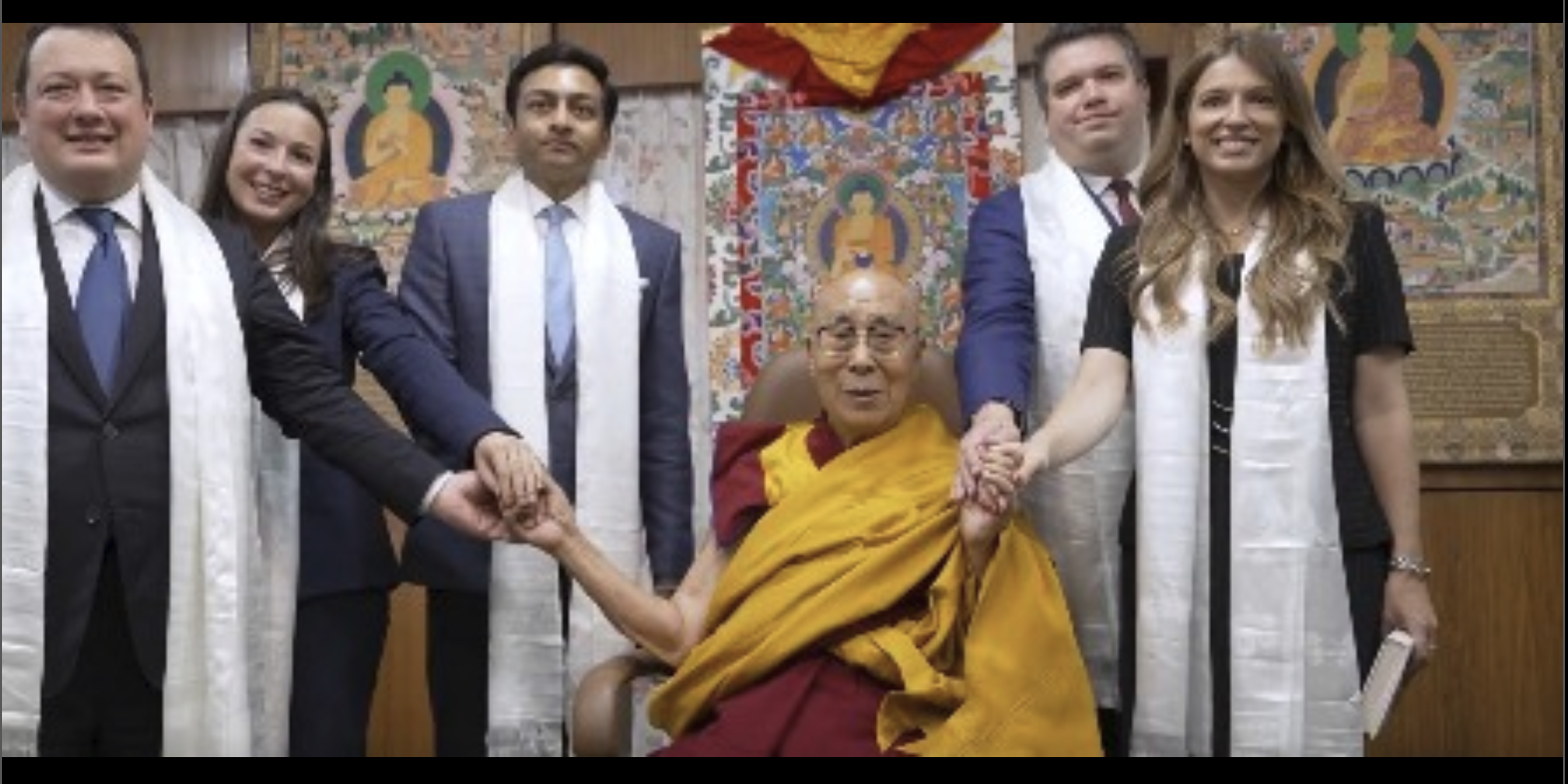
A bipartisan US Congressional delegation led by House Foreign Affairs Committee Chairman Brian Mast met Tibetan spiritual leader the Dalai Lama at his residence in Dharamsala on Wednesday.
The delegation included Representatives James Gallagher, Jimmy Patronis, Haley Stevens and Shri Thanedar. The lawmakers were accompanied by Tibetan Prime Minister Penpa Tsering and Jigme Tsering of the New Delhi-based office of the Dalai Lama.
Speaking after the meeting, Mast said China and the freedom of Tibetans were among the principal subjects discussed. He also raised concerns over what he described as China's transnational repression, alleging that Beijing monitors people and extends such activities beyond its borders.
“The threat from China in terms of transnational repression is far-reaching,” Mast said, adding that the US delegation believed in freedom and democracy and supported those principles for people in Tibet and elsewhere.
Mast also said the Dalai Lama considered a meeting between US President Donald Trump and Chinese President Xi Jinping important, given the positions held by the two leaders. He said the meeting between Trump and Xi did not alter the delegation’s concerns regarding the treatment of Tibetans, Uyghurs and others in China.
A senior Central Tibetan Administration official said the visit demonstrated continued international attention to the Tibet issue and argued that Chinese policies affecting Tibetans would continue to face scrutiny.
The Dalai Lama, who has lived in India since fleeing Tibet in 1959, has remained a central figure in discussions surrounding Tibet’s political and cultural future. Beijing regards him as a separatist and has previously objected to visits by foreign officials and lawmakers to Dharamsala.
The US delegation’s visit to Dharamsala followed meetings with senior Indian officials in New Delhi. Foreign Secretary Vikram Misri had earlier held discussions with the lawmakers on India-US relations, including the recently enacted Sanctioning Russia and Iran Act, energy security, counter-terrorism and freedom of navigation.
The delegation also met Defence Secretary Rajesh Kumar Singh, with discussions covering the broader India-US strategic partnership and defence and technology cooperation.
Separately, the Central Tibetan Administration launched a revised version of its “Securing Tibet’s Future” vision paper in Dharamsala. The document outlines the administration’s stated priorities of pursuing an early resolution to the Sino-Tibet dispute, supporting the Tibetan community in exile and strengthening the administrative capacity of the CTA.
Filed under
About the author
Anupam Pandey
Reporting and storytelling across thePolitics vertical for 4thWall Network.
More from 4thWall
Continue with Politics.
Related reporting first, followed by more stories from across the 4thWall Network.
South Korean President Lee Visits Soldiers Injured in DMZ Landmine Blast
30 September 2026
India, Saudi Arabia Discuss Strengthening Parliamentary Cooperation
30 September 2026
India, Sri Lanka Discuss Maritime Issues, Bilateral Matters in Colombo
30 September 2026
US-Led Coalition Formally Ends Anti-IS Mission in Iraq
30 September 2026