Diamer-Bhasha Dam Dispute Highlights Pakistan's Financing and Implementation Challenges
A dispute over the future of the power-generation component of Pakistan's Diamer-Bhasha Dam has brought renewed attention to the project's cost escalation, delays and financing challenges.
Written by
Anupam Pandey
Published
3 October 2026
Reading time
4 min read
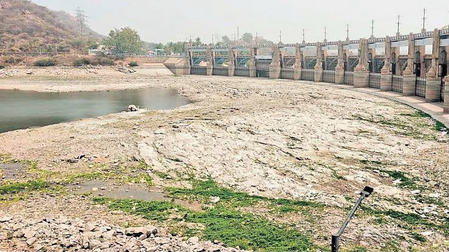
A dispute over the future of the power-generation component of Pakistan's Diamer-Bhasha Dam has brought renewed attention to the project's cost escalation, delays and financing challenges.
Reports recently suggested that Pakistan could drop the dam's planned 4,500-MW hydropower component and initially proceed with the project primarily as a water-storage facility. However, Pakistan's Ministry of Economic Affairs and Power Division have rejected that claim, saying the power-generation component remains part of the project's plans.
The Ministry of Economic Affairs said in August that reports of the cancellation were false and misleading, stressing that Diamer-Bhasha remained a national priority with both water-storage and hydropower components. The Power Division separately said the 4,500-MW generation project remained a committed project under both the existing and future Indicative Generation Capacity Expansion Plan.
The controversy nevertheless comes against the backdrop of substantial challenges facing the project. Pakistan's Planning Commission raised concerns in May over delays in submitting a revised project document and significant increases in the project's estimated cost. The original approved cost of the dam stood at around Rs 480 billion in 2018, while a revised project proposal worth Rs 485.006 billion was subsequently referred for further consideration.
Earlier government reviews have also highlighted land acquisition and resettlement as continuing issues. In 2024, Pakistan's Planning Commission said the project had faced delays and cost escalation, while officials stressed the importance of completing it for the country's water and food security.
The project's power component itself was approved at an estimated cost of Rs 1.424 trillion in April 2023. WAPDA Chairman Lt Gen (retd) Muhammad Saeed has said the hydropower component remains part of the government's plans, with civil works for one major package expected to begin in 2027.
Diamer-Bhasha is designed as a multipurpose project with a planned gross storage capacity of 8.1 million acre-feet and installed generation capacity of 4,500 MW. WAPDA has projected annual electricity generation of about 18 billion units once the hydropower facilities are operational.
The latest controversy stems from reports citing an alleged internal memorandum that suggested Pakistan should prioritise construction of the reservoir while postponing some infrastructure required for electricity generation and transmission. Those reports also raised concerns that delaying critical water-intake and related structures could make subsequent construction more technically difficult and expensive.
Pakistan's Power Division has rejected the central claim that the generation component has been scrapped. It has maintained that the project remains included in long-term electricity-generation planning and has also rejected suggestions that independent power producers influenced any decision concerning Diamer-Bhasha.
Beyond the immediate dispute, the project illustrates wider difficulties facing Pakistan's large water and power infrastructure schemes. Reporting based on Pakistan's Auditor General has put the combined financial exposure associated with Diamer-Bhasha, Dasu and Neelum-Jhelum projects at around Rs 3.9 trillion, with delays, land acquisition issues, design changes and operational problems contributing to the burden.
For now, the official position remains that Diamer-Bhasha will retain both its water-storage and hydropower functions. The continuing debate, however, has highlighted questions over the pace of construction, project costs and how Pakistan will finance the large investment required to complete the dam and its 4,500-MW generation facilities.
Filed under
About the author
Anupam Pandey
Reporting and storytelling across thePolitics vertical for 4thWall Network.
More from 4thWall
Continue with Politics.
Related reporting first, followed by more stories from across the 4thWall Network.
Kumaraswamy Questions Shivakumar Family Land Deals Near Bengaluru’s NICE Road
3 October 2026

USINDOPACOM Chief Admiral Paparo Begins India Visit to Advance Defence Cooperation
3 October 2026
Navpreet Singh Deported From Türkiye, Brought Back to India: Amit Shah
3 October 2026
BJP Leaders in Bengal, Bihar Hit Out at Opposition Over CEC Protest
3 October 2026